
2026-08-18
The car rental industry has undergone significant transformation in recent years, with technology-driven companies reshaping how travelers access vehicles. Kyte car rental represents a modern approach to mobility, offering doorstep delivery and digital-first experiences that challenge traditional rental models. For businesses operating in the car rental space, understanding these innovations provides valuable insights into evolving customer expectations and service delivery methods. Whether you operate in urban markets or destination locations like Caribbean islands, examining how companies leverage technology to enhance convenience can inform strategic decisions about customer experience and operational efficiency.
Kyte car rental has established itself as a disruptor in the vehicle rental industry by eliminating one of the most significant pain points for customers: the need to visit physical rental locations. The company delivers vehicles directly to customers' chosen locations, whether that's a home, hotel, or office. This doorstep delivery model represents a fundamental shift in how rental transactions occur.
The service operates through a mobile application where customers select their desired vehicle, choose pickup and drop-off times, and complete the entire reservation process digitally. Customer reviews of Kyte Car Rental highlight both the convenience of this approach and areas where service delivery can face challenges.
The kyte car rental platform emphasizes seamless digital interactions throughout the rental journey:
This approach mirrors broader industry trends toward reducing friction in the booking process. Traditional rental companies have historically required customers to navigate airport queues, complete extensive paperwork, and manage vehicle inspections in person. By digitizing these touchpoints, kyte car rental appeals to customers who prioritize efficiency and convenience.
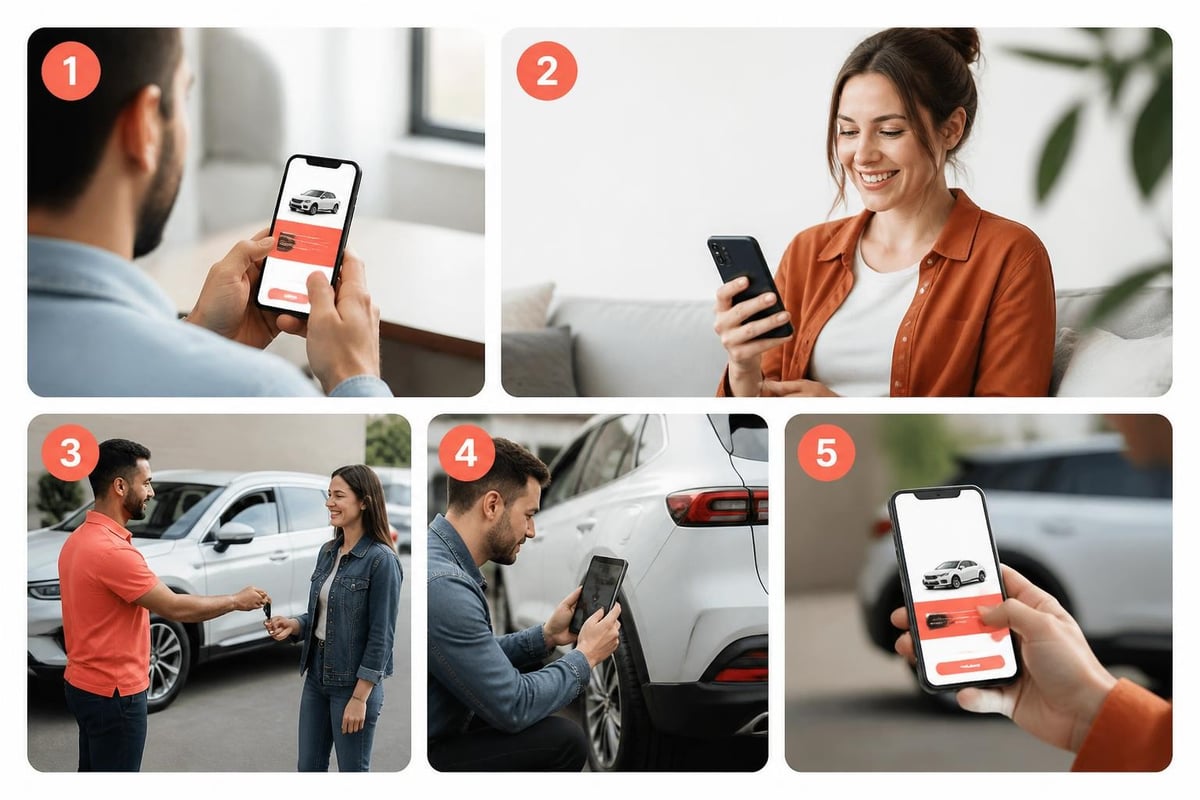
Understanding how kyte car rental approaches pricing provides context for evaluating value propositions in the rental market. The company's pricing model typically includes several components that differ from traditional rental agencies.
| Pricing Element | Kyte Approach | Traditional Model |
|---|---|---|
| Base Rate | Daily or hourly rate | Daily rate with minimum periods |
| Delivery Fee | Variable by location and distance | N/A (customer travels to location) |
| Insurance | Multiple tiers available | Often bundled or pressured at counter |
| Mileage | Typically unlimited | Often capped with overage fees |
| Fuel Policy | Full-to-full or pay-per-mile options | Usually full-to-full |
According to pricing analysis from industry observers, the convenience factor of delivery comes with premium pricing compared to traditional rentals in some markets. However, customers often value the time savings and reduced stress enough to justify the additional cost.
Kyte car rental maintains a diverse fleet designed to meet various customer needs. The selection typically includes economy sedans for budget-conscious travelers, SUVs for families or groups, and luxury vehicles for special occasions. Vehicle availability varies by market, with larger metropolitan areas offering more extensive selections.
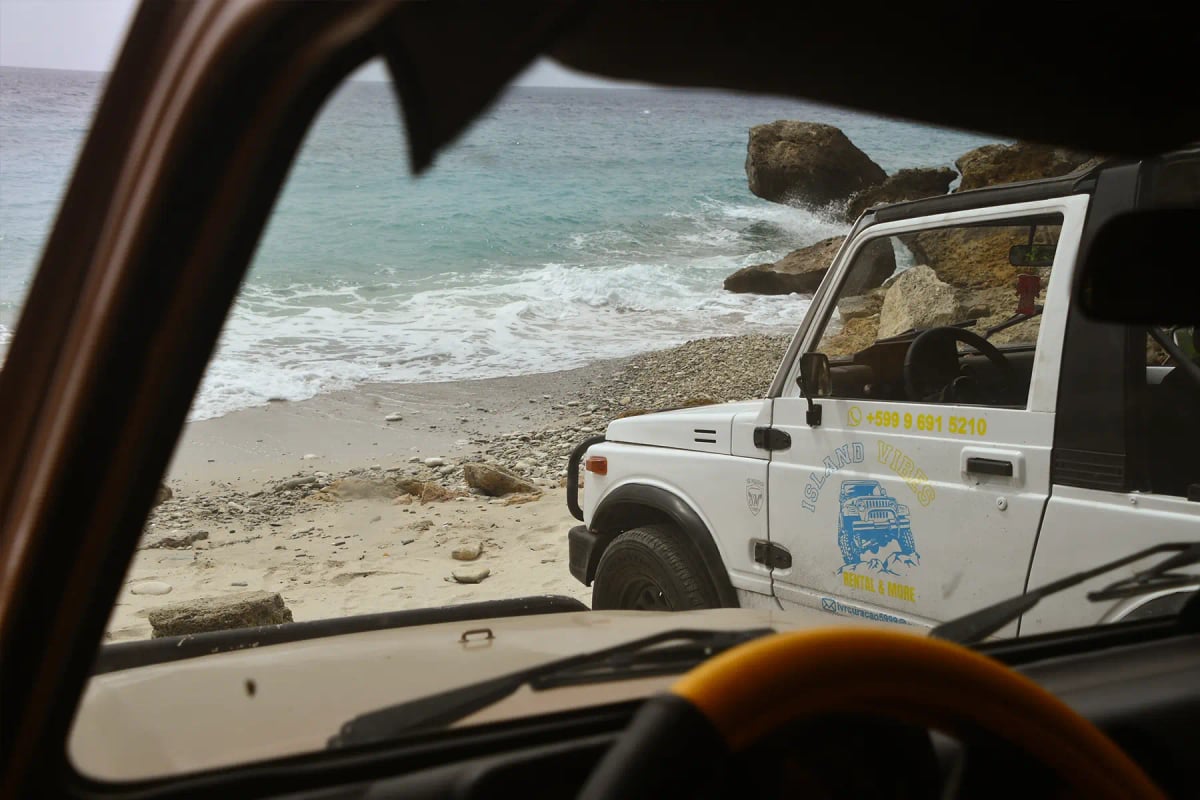
For businesses operating in niche markets, this broad approach offers lessons in fleet diversification. While kyte car rental targets general mobility needs, specialized operators can differentiate by offering unique vehicle types suited to specific use cases. For instance, Suzuki Samurai jeeps provide distinctive experiences for island exploration that standard rental fleets cannot match.
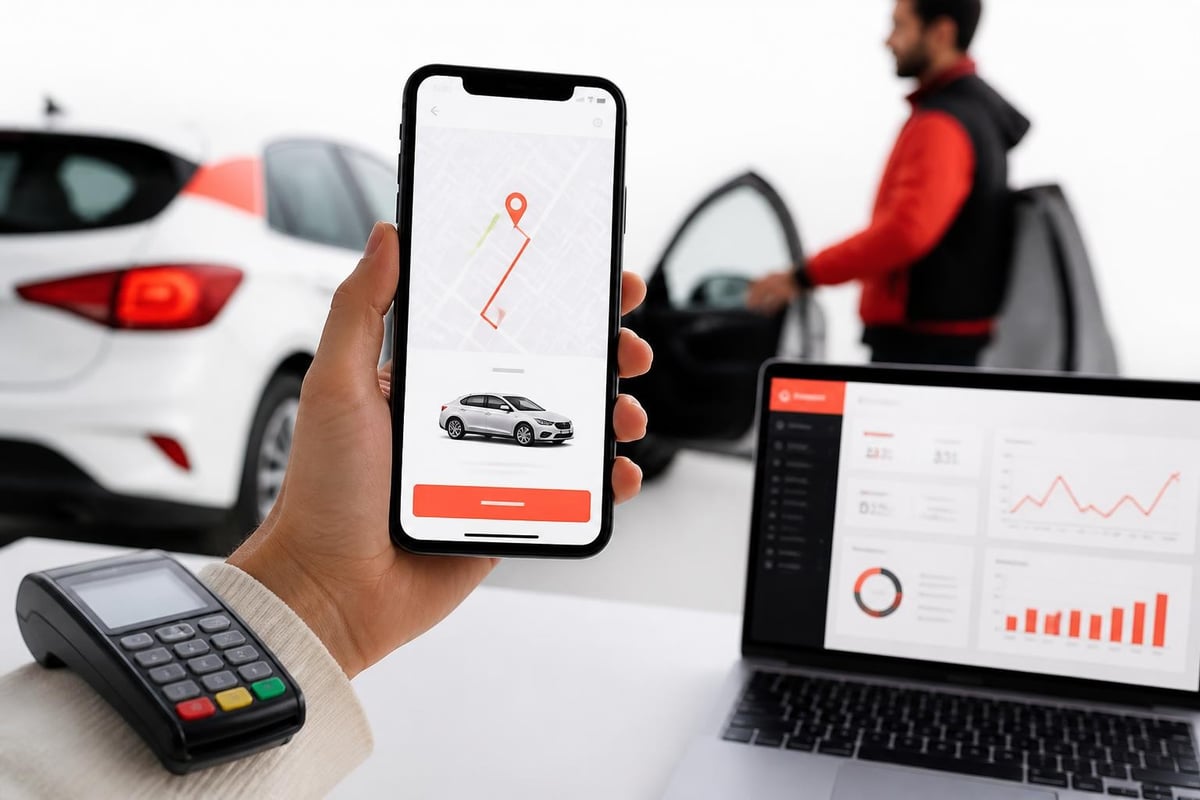
The operational model behind kyte car rental involves sophisticated logistics and technology infrastructure. The company manages vehicle positioning, delivery scheduling, and fleet maintenance across multiple markets simultaneously. This complexity requires robust systems for tracking vehicle locations, coordinating delivery drivers, and managing customer communications.
TechCrunch reported on Kyte's vision for eventually implementing autonomous vehicle delivery, which would eliminate the need for human drivers to transport vehicles to customers. This forward-thinking approach demonstrates how technology companies view car rental as an opportunity for automation and efficiency gains.
Beyond traditional short-term rentals, kyte car rental expanded into subscription services in 2022, allowing customers to maintain access to vehicles on monthly terms. This flexibility addresses the needs of customers who want vehicle access without the commitment of ownership or long-term leases.
The subscription model includes:
This approach recognizes that mobility needs vary over time, and customers increasingly prefer flexible arrangements over rigid contracts.

The kyte car rental service operates in an increasingly competitive landscape where traditional rental companies, peer-to-peer platforms, and ride-sharing services all compete for customer attention. Each model offers distinct advantages and trade-offs.
| Service Type | Convenience | Price Point | Vehicle Selection | Best For |
|---|---|---|---|---|
| Kyte-style Delivery | High | Medium-High | Standardized fleet | Urban professionals, travelers |
| Traditional Rental | Medium | Low-Medium | Wide selection | Airport travelers, budget focus |
| Peer-to-Peer | Medium | Variable | Unique vehicles | Vehicle enthusiasts, local rentals |
| Specialized Local | High | Medium | Niche vehicles | Destination experiences, adventure |
Comprehensive reviews of Kyte note that the service excels in markets where delivery logistics are manageable and customer density justifies the operational costs. In destination markets, however, specialized local operators often provide better value and more contextually appropriate vehicles.
The kyte car rental experience prioritizes several key elements that shape customer satisfaction. Understanding these priorities helps any rental operator assess their own service delivery against evolving market expectations.
Convenience factors that customers value include:
Pain points that can emerge in delivery-based models:
For travelers visiting island destinations, the priorities often shift from pure convenience to vehicle appropriateness for local conditions. Renting a car in Curaçao requires consideration of terrain, beach access, and the adventurous spirit that characterizes island exploration.
The operational backbone of kyte car rental relies on integrated technology systems that manage the entire rental lifecycle. These digital tools enable the company to coordinate complex logistics while maintaining user-friendly customer interfaces.
Modern car rental operations increasingly depend on:
Research into decentralized vehicle rental systems explores how blockchain and distributed technologies could further transform rental operations, potentially reducing intermediary costs and increasing transaction transparency.
The technological sophistication required for delivery-based rentals creates barriers to entry that protect established players but also demonstrates the importance of digital infrastructure in modern mobility services.
As the car rental industry faces pressure to address environmental concerns, companies like kyte car rental must balance convenience with sustainability considerations. The delivery model inherently adds vehicle miles for positioning and returns, raising questions about overall environmental impact.
Studies on sustainable business models suggest that companies can integrate sustainability by:
For destination-based rental operators, sustainability often intersects with preserving the natural environments that attract visitors. When travelers explore beaches by jeep, responsible operators emphasize environmental stewardship alongside adventure.
While kyte car rental demonstrates successful execution of on-demand delivery in urban markets, local and specialized rental companies can draw valuable insights while maintaining their unique value propositions.
Applicable innovations for smaller operators:
Competitive advantages that local specialists maintain:
Companies offering guided island tours combine vehicle access with local expertise, creating experiences that standardized rental services cannot replicate. This integration of transportation and knowledge adds value beyond simple vehicle access.
The kyte car rental model addresses insurance and liability through digital documentation and tiered coverage options. Customers typically choose from multiple insurance levels, ranging from basic coverage that leaves them responsible for damage costs up to certain thresholds, to premium options that minimize out-of-pocket exposure.
This approach differs from traditional rental counters where insurance sales often involve high-pressure tactics. By presenting options clearly in the app during booking, kyte car rental allows customers to make informed decisions without time pressure or sales pressure.
Photo-based vehicle inspections create timestamped records of vehicle condition at pickup and return. This documentation helps resolve disputes about damage responsibility, though questions can arise when inspections are conducted remotely rather than in person.
Effective dispute resolution requires:
Local operators often have advantages in managing these situations through personal interactions and community accountability that large-scale delivery services cannot match.
The kyte car rental service has expanded strategically across markets where delivery logistics align with customer density and demand patterns. Urban and suburban markets with substantial populations of professionals and travelers provide ideal conditions for the model.
Destination markets present different challenges and opportunities. Tourist locations require seasonal fleet adjustments, partnership with hospitality providers, and understanding of traveler preferences that differ from daily commuter needs. When visitors plan a three-day road trip itinerary, they seek vehicles that enhance rather than simply enable their adventures.
Companies evaluating delivery-based rental models should assess:
The feasibility of delivery models varies significantly across different geographic contexts, with dense urban areas offering better unit economics than dispersed rural or island markets.
Maintaining quality customer service in a digitally-mediated rental model requires robust support infrastructure. Kyte car rental provides customer service through multiple channels, including in-app messaging, phone support, and email communication.
Critical support scenarios include:
Response time and resolution effectiveness significantly impact customer satisfaction and online reviews, which increasingly influence booking decisions. Companies must balance automation for efficiency with human support for complex situations requiring judgment and empathy.
The evolution of kyte car rental and similar services points toward broader trends that will continue reshaping the vehicle rental industry. Understanding these directions helps operators anticipate customer expectations and competitive pressures.
Emerging trends include:
Team dynamics in tech startups become increasingly important as traditional rental companies transform into technology-driven service providers, requiring different skills and organizational cultures.
For specialized operators, these trends create both challenges and opportunities. While technology raises the baseline for customer expectations, unique vehicle offerings and local expertise remain difficult to commoditize or automate.
The kyte car rental model demonstrates how technology and customer-centric design can transform traditional industries, offering valuable lessons for rental operators across markets and specializations. Whether you're planning urban transportation or seeking adventure on Caribbean islands, understanding these service innovations helps identify the right rental approach for your specific needs. If you're looking for a distinctive driving experience that combines character, capability, and local island knowledge, Island Vibes Rental offers Suzuki Samurai jeeps that turn Curaçao exploration into an unforgettable adventure, with each vehicle bringing its own personality to your island journey.