2026-09-04
The rental car industry has undergone a dramatic transformation over the past few years, with major players investing heavily in electric vehicle fleets. Hertz made headlines in 2021 when it announced plans to purchase 100,000 Tesla vehicles, signaling a massive shift toward sustainable mobility in the rental sector. By 2026, the landscape of hertz electric car rental has evolved significantly, shaped by market demands, charging infrastructure expansion, and changing consumer preferences. Understanding how this service works today helps travelers make informed decisions about whether an electric rental suits their specific journey, whether that's a business trip across major metropolitan areas or an island adventure requiring different vehicle considerations.
Hertz's commitment to electric vehicles represented one of the most ambitious fleet electrification projects in the rental industry. The company's initial Tesla order captured significant attention, but the reality of deploying and maintaining such a large electric fleet proved more complex than anticipated. Throughout 2022 and 2023, Hertz expanded its EV offerings beyond Tesla to include models from Chevrolet, Peugeot, and other manufacturers across different markets.
The hertz electric car rental lineup in 2026 varies by location and availability. Major airport locations typically offer the widest selection, while smaller markets may have limited EV options. Tesla Model 3 and Model Y remain popular choices in North America, offering strong range and widespread Supercharger access. Chevrolet Bolt EV and EUV models provide more budget-conscious alternatives with competitive range capabilities.
European markets feature different vehicle selections, including Peugeot e-208 and other compact electric models suited to urban driving and shorter-distance travel. The specific inventory at any given location fluctuates based on demand, seasonal patterns, and regional preferences.
| Vehicle Model | Approximate Range | Typical Rental Tier | Best Use Case |
|---|---|---|---|
| Tesla Model 3 | 270-350 miles | Premium | Long-distance highway |
| Tesla Model Y | 280-330 miles | Premium/SUV | Family trips, cargo |
| Chevrolet Bolt EV | 240-260 miles | Standard | Urban/suburban |
| Peugeot e-208 | 215-225 miles | Economy (EU) | City driving |

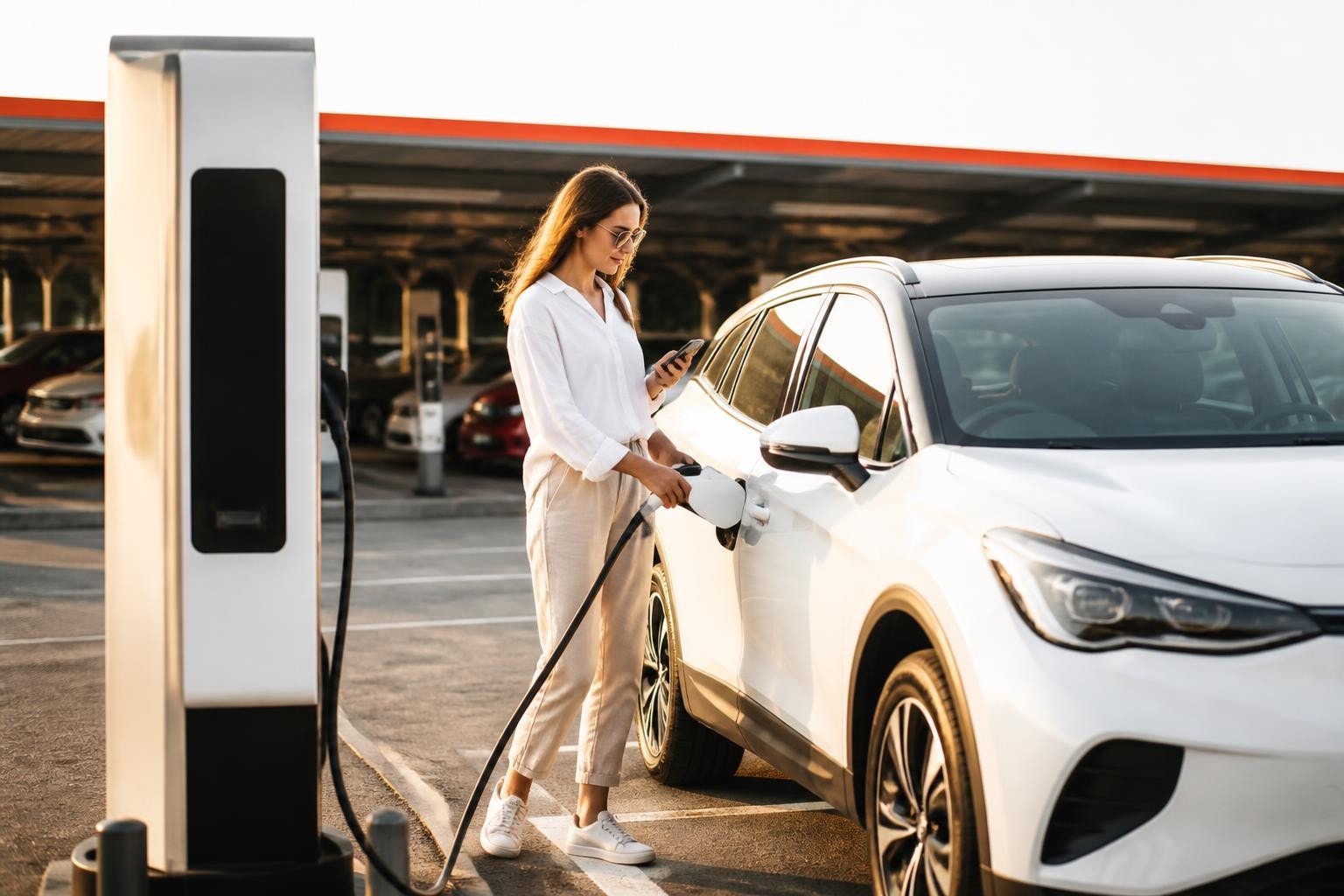
One of the most significant considerations for hertz electric car rental customers involves charging logistics. Unlike conventional vehicles where refueling takes minutes at ubiquitous gas stations, electric vehicles require advance planning and understanding of charging networks. The National EV Charging Network continues expanding across the United States, but coverage remains uneven across different regions.
Hertz provides customers with access credentials or billing arrangements for major charging networks. Tesla vehicles can utilize the extensive Supercharger network, which offers the fastest and most reliable charging experience for long-distance travel. Non-Tesla vehicles typically rely on networks like Electrify America, EVgo, ChargePoint, and others.
According to Electric Vehicle Charging Infrastructure Trends from the Department of Energy, public charging stations have grown substantially, but travelers still need to plan routes carefully. Fast DC charging can restore 80% battery capacity in 20-40 minutes under ideal conditions, while Level 2 charging at hotels or destinations may take several hours for a full charge.
Hertz implements various charging cost structures depending on the rental agreement. Some locations include charging costs in the rental rate, while others bill customers separately based on actual usage. Customers using Tesla Superchargers may see charges appear on their rental account automatically, while other networks might require upfront payment with subsequent reimbursement claims.
Key charging cost considerations:
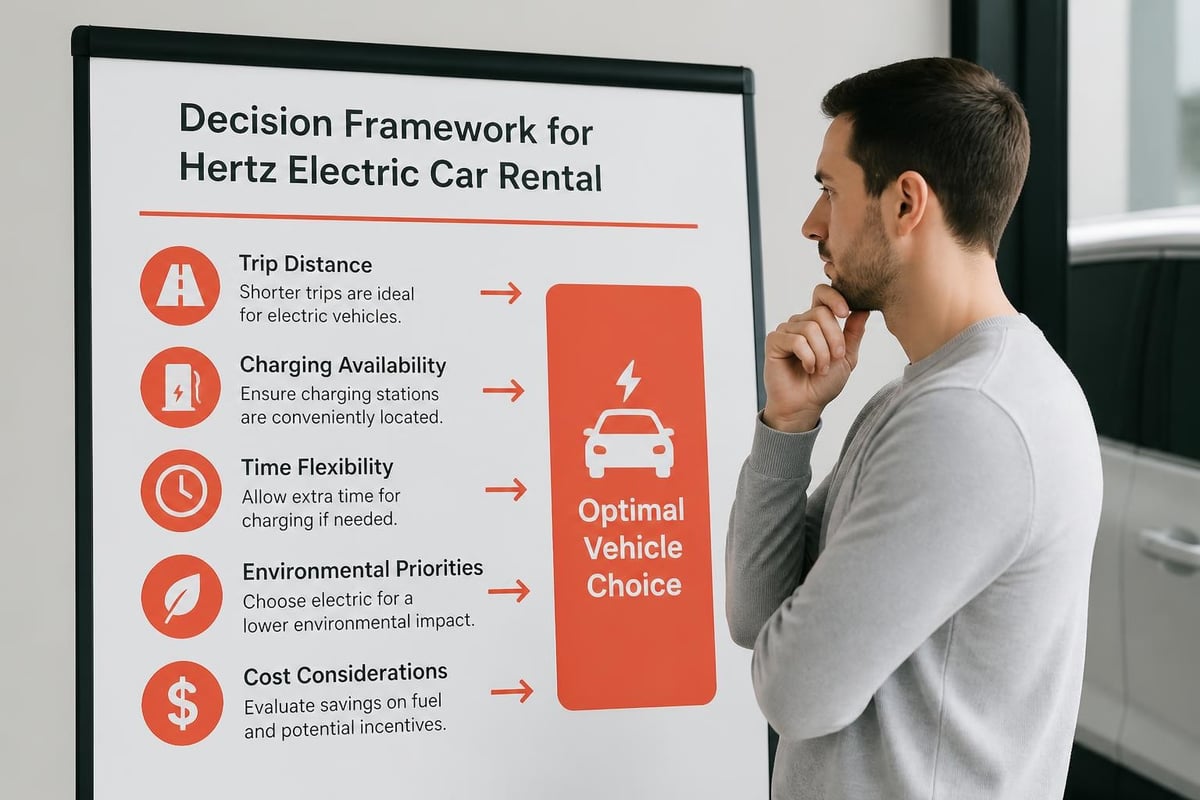
Choosing a hertz electric car rental requires honest assessment of your travel patterns and comfort level with EV technology. While electric vehicles offer numerous advantages including instant torque, quiet operation, and zero tailpipe emissions, they introduce planning requirements that don't exist with conventional rentals.
Range anxiety-the fear of running out of battery charge before reaching a charging station-remains the primary concern for first-time EV renters. Modern electric vehicles offer sufficient range for most daily driving scenarios, but longer trips demand careful route planning. Highways driven at high speeds, cold weather conditions, and mountainous terrain all reduce effective range compared to EPA estimates.
Smart trip planning tools and in-vehicle navigation systems help identify charging stops along your route. Building in buffer time for charging stops prevents schedule disruptions. For travelers visiting destinations like Curaçao or other islands, it's worth noting that while some regions embrace electric vehicles, infrastructure may lag behind mainland availability-a consideration when choosing between local rental company options and international chains.
Electric vehicles operate differently than conventional cars, requiring renters to invest time understanding regenerative braking, charging port locations, and vehicle-specific features. Tesla models particularly differ from traditional vehicles with their touchscreen-centric controls and unique interface design. Hertz provides instructional materials and brief orientations, but customers should allocate extra time during pickup for familiarization.

Pricing for hertz electric car rental typically falls into premium categories, though the gap has narrowed as EV availability increases. Base rental rates for electric vehicles often exceed comparable conventional cars by 10-30%, but the total cost equation includes fuel savings that can offset higher daily rates.
| Cost Component | Electric Vehicle | Conventional Vehicle | Difference |
|---|---|---|---|
| Daily rental rate | $85-150 | $65-120 | +$20-30 |
| 300 miles fuel/charging | $25-45 | $45-75 | -$20-30 |
| Insurance (optional) | $25-35/day | $25-35/day | Similar |
| Total 3-day estimate | $330-585 | $405-690 | Variable |
The actual cost advantage depends heavily on electricity vs. gasoline prices in your region, rental duration, and total miles driven. Short urban trips with access to free destination charging favor electric vehicles economically. Long highway trips requiring frequent fast charging may actually cost more than conventional alternatives when factoring in time value.
Hertz applies specific fees related to electric vehicle rentals that customers should understand beforehand. Returning an EV with extremely low battery charge may trigger expedited charging fees. Damage to charging cables or ports results in costly replacement charges. Some locations assess premium fees for guaranteed EV availability rather than standard "request only" reservations.
Beyond economics, many travelers choose hertz electric car rental for environmental or experiential reasons. Electric vehicles produce zero direct emissions, reducing carbon footprint for business travelers with sustainability mandates or eco-conscious tourists. The driving experience itself appeals to technology enthusiasts and those curious about EV ownership without long-term commitment.
Electric motors deliver instant torque, creating responsive acceleration that surprises drivers accustomed to conventional engines. The low center of gravity from floor-mounted batteries improves handling stability. Regenerative braking reduces wear on brake components while providing one-pedal driving capability that many drivers find intuitive after initial adjustment.
Notable EV driving advantages:
Despite advances in electric vehicle technology and charging infrastructure, hertz electric car rental presents legitimate challenges that don't affect conventional rentals. Acknowledging these limitations helps set realistic expectations and prevents frustration during your rental period.
While metropolitan areas generally offer abundant charging options, rural regions and specific tourist destinations may have sparse coverage. The reliability of charging stations varies-broken equipment, occupied stations, and incompatible connectors occasionally disrupt travel plans. Securing EV charging infrastructure remains an ongoing priority for government and private sectors, but current deployment still creates friction points for travelers.
Cold weather performance represents another consideration, as battery efficiency decreases in freezing temperatures. Range can drop 20-40% in winter conditions, necessitating more frequent charging stops. Hot weather also affects battery performance, though to a lesser degree than cold.
First-time EV renters face a steeper learning curve than with conventional vehicles. Understanding charging connector types (CCS, CHAdeMO, Tesla), navigating different payment systems across charging networks, and interpreting state-of-charge displays requires attention that detracts from travel enjoyment for some customers. The time investment for charging stops-even fast charging-exceeds traditional refueling by a factor of three to six.
Hertz electric car rental availability varies dramatically by geographic market. California, Florida, Colorado, and Washington lead in EV rental inventory due to stronger charging infrastructure and higher consumer demand. International markets show similar patterns, with Western European cities offering better selection than Eastern European or developing markets.
The rental industry broadly has moderated its aggressive EV expansion following mixed consumer reception and higher-than-anticipated maintenance costs. While electric vehicles mechanically require less maintenance than conventional cars, collision repair costs and battery damage concerns have proven expensive for rental fleets. This has influenced availability and pricing strategies across the industry.
For travelers seeking unique island experiences, it's worth comparing different rental approaches. While hertz electric car rental works well in infrastructure-rich environments, island destinations often call for different solutions. The Suzuki Samurai offered by local operators in places like Curaçao provides character-filled exploration perfectly suited to island terrain and beach-hopping adventures that electric vehicles aren't yet optimized to support given charging limitations.

Successfully renting an electric vehicle from Hertz requires strategic booking and realistic trip assessment. Advanced reservations increase EV availability, particularly during peak travel seasons when electric inventory disappears quickly. Comparing rental car options across providers helps identify the best fit for your specific journey requirements.
Electric rentals work exceptionally well for specific use cases. Business travelers making repeated trips between the same locations can establish reliable charging routines. Urban visitors staying in downtown hotels with destination charging avoid range concerns entirely. Technology enthusiasts willing to embrace the learning curve enjoy the novelty and performance characteristics.
Conversely, travelers prioritizing maximum flexibility, covering extensive rural territory, or on tight schedules may find conventional rentals reduce stress and complications. There's no universal right answer-the best choice depends on your specific circumstances, preferences, and risk tolerance.
The rental car industry encompasses far more than just the electric vs. conventional decision. Different journey types call for different vehicle solutions, and major chains represent only one segment of available options. Island car rentals often prioritize character and experience over pure efficiency metrics.
Travelers seeking memorable experiences sometimes value uniqueness over standardization. A well-maintained vehicle with personality can transform transportation from mere logistics into part of the adventure itself. This philosophy explains why some destinations thrive with specialized rental offerings rather than attempting to replicate mainstream fleet compositions.
Hertz offers standard rental insurance products for electric vehicles similar to conventional cars, though some policies specifically address EV-related concerns. Battery damage coverage, charging equipment protection, and specialized roadside assistance for EV-specific issues may carry additional premiums. Understanding what your personal auto insurance and credit card coverage includes for electric rentals prevents costly gaps or unnecessary duplicate coverage.
The higher replacement value of electric vehicles means liability and physical damage coverage limits deserve careful consideration. Many renters accept higher deductibles or decline optional coverage for economy cars but reconsider when renting premium electric vehicles worth $50,000 or more.
The trajectory of hertz electric car rental and the broader EV rental market continues evolving. While initial aggressive expansion has moderated, the long-term direction toward electrification remains clear. Battery technology improvements, charging infrastructure expansion, and vehicle cost reductions will address current limitations over time.
Rental companies are refining their approach based on real-world operational data. This includes right-sizing EV fleet percentages to match actual demand, concentrating electric inventory in high-infrastructure markets, and improving customer education processes. The industry is learning that successful EV integration requires more than simply swapping powertrains-it demands infrastructure investment, staff training, and customer support systems designed specifically for electric operations.
Modern hertz electric car rental increasingly incorporates smartphone app integration allowing customers to monitor charging status, locate nearby stations, and prepay for charging sessions. These digital tools reduce friction points and improve the overall experience. As technology matures, the gap between EV and conventional rental convenience continues narrowing.
For travelers planning comprehensive island itineraries, exploring options through blog resources helps identify whether electric, conventional, or specialized vehicles best match your adventure goals. Each destination presents unique considerations that generic rental solutions may not fully address.
Choosing hertz electric car rental ultimately requires balancing multiple factors against your personal priorities and trip requirements. Environmental consciousness, technology interest, cost optimization, convenience preference, and infrastructure availability all influence the equation. There's no objectively correct answer-only the right choice for your specific situation.
Successful EV rentals begin with honest self-assessment and thorough preparation. Travelers comfortable with planning, technology adoption, and schedule flexibility often have excellent experiences. Those prioritizing spontaneity, maximum convenience, or extensive rural travel may find conventional vehicles better align with their preferences. Both options serve valid purposes within the modern rental landscape.
The shift toward electric vehicles in rental fleets represents significant industry evolution, but the right vehicle depends entirely on your destination and travel style. While hertz electric car rental works well for infrastructure-rich environments, unique destinations often call for specialized solutions. When planning your next Curaçao adventure, Island Vibes Rental offers character-filled Suzuki Samurai jeeps perfect for beach hopping and island exploration-delivering the freedom and personality that transform transportation into an integral part of your island experience. Ready to discover Curaçao in style? Check out our unique fleet and start planning your adventure today.