
2026-08-23
The gig economy has transformed transportation, creating unprecedented opportunities for drivers and vehicle owners alike. Rideshare car rental has emerged as a specialized niche within this ecosystem, enabling individuals without personal vehicles to participate in platforms like Uber and Lyft while providing car owners with a steady income stream. This arrangement requires navigating complex insurance requirements, platform partnerships, and financial considerations that differ significantly from traditional car rentals.
Rideshare car rental operates on a fundamentally different premise than conventional vehicle rentals. Traditional companies serve tourists and business travelers, while rideshare-focused rental services cater specifically to gig workers who need vehicles for commercial purposes. These specialized programs partner directly with rideshare platforms to ensure compliance with insurance requirements and operational standards.
The model typically involves weekly rental agreements rather than daily rates. Drivers commit to longer rental periods, which reduces administrative overhead for rental companies and provides more predictable vehicle availability. Payment structures often include unlimited mileage, commercial insurance coverage, and maintenance services bundled into a single weekly fee.
Several operational distinctions separate rideshare car rental from standard rental services:
Platform partnerships create a unique ecosystem. Companies like Hertz, Avis, and specialized providers such as HyreCar work directly with Uber and Lyft to streamline the rental process. These partnerships ensure vehicles meet platform standards and drivers receive proper insurance coverage from day one.
Insurance represents the most critical component of rideshare car rental arrangements. Personal auto policies explicitly exclude commercial activities, creating potential liability exposures for both drivers and vehicle owners. Understanding rideshare insurance requirements becomes essential before entering any rental agreement.
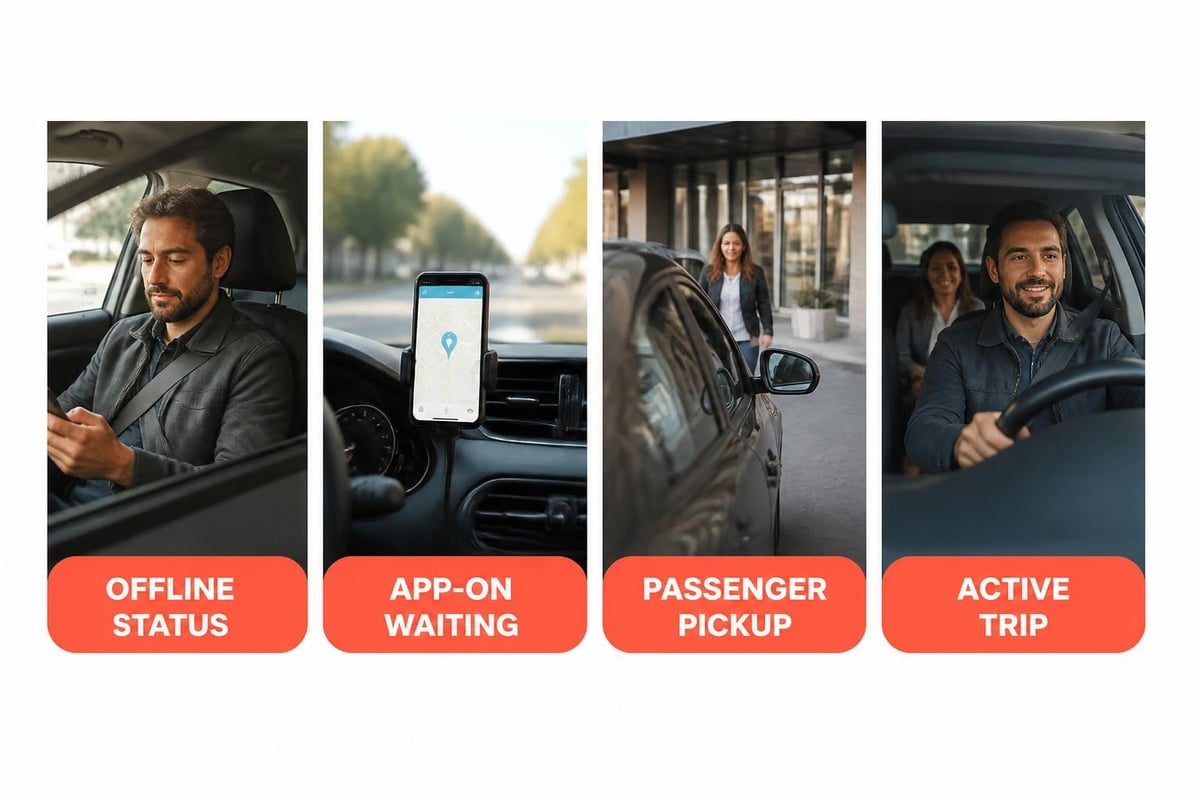
Rideshare platforms provide three distinct coverage periods with varying protection levels:
| Coverage Period | Driver Status | Platform Coverage | Rental Policy Requirement |
|---|---|---|---|
| Period 0 | App offline | None | Full commercial policy |
| Period 1 | App on, no passenger | Limited liability | Gap coverage needed |
| Period 2 | En route to pickup | Contingent coverage | Comprehensive required |
| Period 3 | Passenger in vehicle | Full coverage | Primary commercial policy |
The National Association of Insurance Commissioners highlights how coverage gaps between periods can expose drivers and vehicle owners to significant financial risk. Rideshare car rental programs address these gaps through specialized commercial policies that provide continuous protection regardless of app status.
Comprehensive rideshare car rental insurance packages include multiple protection layers. Liability coverage protects against third-party claims for bodily injury and property damage. Collision coverage repairs rental vehicle damage from accidents. Comprehensive coverage addresses theft, vandalism, weather damage, and other non-collision incidents.
Rental companies also maintain gap insurance to cover depreciation differences between actual cash value and repair costs. Uninsured motorist protection safeguards against drivers without adequate insurance. Some programs include roadside assistance, towing services, and rental reimbursement for vehicles under repair.
Weekly rental rates for rideshare car rental programs vary significantly based on vehicle type, location, and included services. Standard sedans typically range from three hundred to five hundred dollars weekly, while premium vehicles and electric models command higher rates. These costs appear substantial until compared against vehicle ownership expenses.
Detailed expense analysis from NYC's Taxi and Limousane Commission reveals that rideshare car rental costs often align closely with depreciation, insurance, and maintenance expenses of personal vehicle ownership. Drivers avoid upfront purchase costs, loan payments, and unexpected repair bills that can derail earnings.
Beyond base weekly rates, drivers should evaluate additional expenses:
Drivers must also consider opportunity costs. Time spent managing vehicle pickup, returns, and required maintenance reduces available driving hours. Some rental programs require specific pickup locations or business hours that may not align with optimal driving schedules. For travelers exploring different transportation options, understanding vehicle rental policies helps set appropriate expectations.
Individual car owners increasingly explore rideshare car rental as passive income opportunities. Rather than letting vehicles depreciate while parked, owners rent to qualified rideshare drivers through platforms connecting the two parties. This arrangement generates revenue while transferring operating costs and insurance requirements to renters.
Real income data from vehicle owners shows gross weekly earnings between four hundred and seven hundred dollars depending on market and vehicle type. However, net income after expenses tells a different story. Maintenance reserves, accelerated depreciation, insurance premiums, and platform fees reduce actual profits to two hundred to four hundred dollars weekly in most markets.

Successful vehicle owners implement comprehensive protection measures:
Platform-based rental marketplaces handle much of this administrative burden. Companies specializing in peer-to-peer rideshare car rental provide insurance products, payment processing, and dispute resolution services. These intermediaries charge fees but reduce owner workload substantially.
Not all rental arrangements qualify for rideshare platform use. Uber and Lyft maintain approved rental partner lists to ensure vehicles meet standards and carry appropriate insurance. Rental cars used for Uber require specific partnerships rather than generic rental agreements from traditional companies.
Major approved providers include Hertz, Enterprise (through their rideshare programs), Avis, HyreCar, and regional specialists. Each offers distinct advantages regarding vehicle selection, pricing structures, and service quality. Drivers should compare multiple providers before committing to extended rental agreements.
Qualifying for rideshare car rental programs involves several verification steps:
Documentation typically includes driver's license, proof of rideshare platform acceptance, social security number or tax identification, and payment method verification. Approval timelines range from same-day to one week depending on provider and market demand.
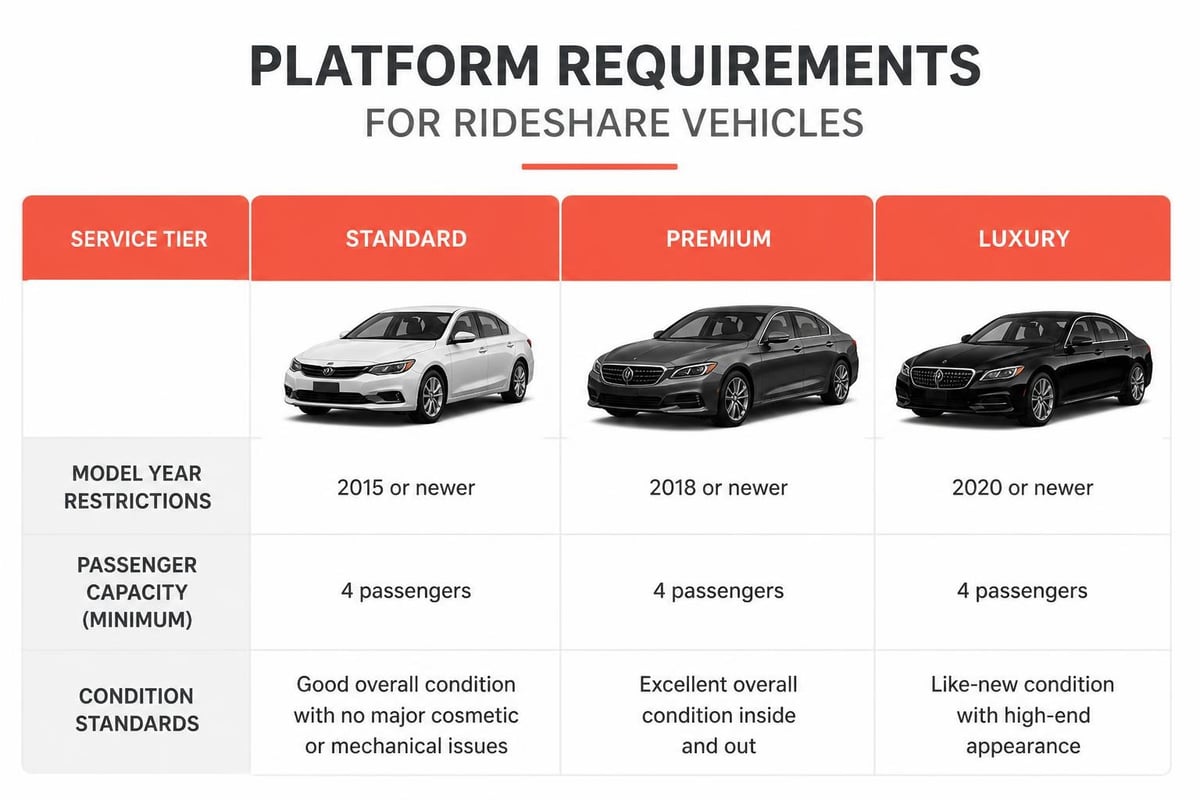
Rideshare platforms enforce specific vehicle criteria that rental programs must satisfy. Age restrictions limit most markets to vehicles ten years old or newer, though some premium markets require models five years old or newer. Sedans must accommodate four passengers plus the driver, while SUVs qualify for larger ride categories.
| Vehicle Category | Minimum Model Year | Passenger Capacity | Condition Requirements |
|---|---|---|---|
| Standard | 2016 or newer | 4 passengers | Clean title, no cosmetic damage |
| Comfort/Premium | 2019 or newer | 4 passengers | Leather seats, premium features |
| XL/SUV | 2016 or newer | 6+ passengers | Third-row seating, clean interior |
| Luxury | 2021 or newer | 4 passengers | High-end brands, premium amenities |
Additional requirements include working air conditioning, clean interior without odors or stains, functioning windows and locks, and passing vehicle inspections. Some markets mandate backup cameras, modern infotainment systems, or specific safety features.
Sustainability initiatives have expanded rideshare car rental options to include electric and hybrid models. These vehicles offer fuel cost savings that can significantly improve driver profitability. However, weekly rental rates typically run one hundred to two hundred dollars higher than comparable gas-powered vehicles.
Charging infrastructure access becomes critical for electric vehicle renters. Some rental programs include charging credits or partnerships with charging networks. Drivers must evaluate local charging availability, typical charging times, and range limitations against their planned driving schedules and markets.
Rideshare car rental economics vary dramatically across geographic markets. High-demand urban areas with strong rideshare activity justify higher rental costs through increased earning potential. Smaller markets may offer lower rental rates but generate insufficient ride volume to cover expenses and produce meaningful income.
State and local regulations add complexity. Some jurisdictions impose additional insurance requirements, vehicle inspections, or driver licensing beyond platform standards. State-specific insurance guidance helps drivers understand regional compliance obligations that affect rental arrangements.
Markets with strong tourism economies present unique rideshare car rental dynamics. Seasonal demand fluctuations create opportunities for flexible drivers willing to adjust schedules around peak periods. However, rental availability may tighten during high seasons as traditional tourist rentals compete for vehicle inventory.
For those exploring alternative transportation opportunities, destinations like Curaçao offer distinctive vehicle rental experiences. Suzuki Samurai rentals provide adventurous travelers with unique island exploration vehicles starting at just forty dollars daily, showcasing how specialized local rental options serve different market segments than rideshare-focused programs.
Island destinations demonstrate how rental markets segment based on customer needs. Tourists prioritize distinctive vehicles and memorable experiences, while rideshare drivers require reliable, platform-compliant transportation that maximizes earnings efficiency. Understanding these distinctions helps both renters and rental companies align offerings with appropriate market segments.
Beyond dedicated rideshare car rental programs, gig economy workers explore various vehicle access strategies. Some drivers alternate between rideshare platforms and delivery services like DoorDash or Instacart to maximize vehicle utilization. This diversification requires vehicles meeting requirements across multiple platforms.
Peer-to-peer car sharing platforms offer another approach. Services like Turo allow drivers to rent directly from individual owners, potentially at lower costs than commercial programs. However, insurance coverage and platform approval become more complex, requiring careful verification before using shared vehicles for commercial purposes.
Drivers testing rideshare viability before committing to vehicle purchase sometimes use short-term rentals. Daily or weekly traditional rentals provide vehicle access but rarely include commercial insurance or platform approval. Most rental agreements explicitly prohibit commercial use, creating contract violations and insurance gaps that expose drivers to significant liability.
Lease-to-own programs represent another option, allowing drivers to build equity while operating rideshare services. These arrangements combine rental flexibility with eventual ownership benefits. However, they typically require stronger credit profiles and larger upfront payments than pure rental programs.
Rideshare car rental agreements clearly delineate maintenance responsibilities between rental companies and drivers. Most programs require renters to handle basic upkeep including fuel, windshield washer fluid, tire pressure monitoring, and interior cleanliness. Rental companies maintain responsibility for mechanical repairs, scheduled maintenance, and major component failures.
Drivers must report damage, mechanical issues, or warning lights promptly to avoid liability for worsening conditions. Photographic documentation of vehicle condition at rental initiation and return protects both parties from disputes. Regular vehicle inspections during longer rental periods help identify developing problems before they become serious.
Accidents during rideshare car rental periods follow specific reporting protocols. Drivers must file police reports for significant incidents, notify the rental company within specified timeframes, and document accident scenes thoroughly. Platform insurance provisions activate based on driver status at accident occurrence, coordinating with rental company commercial policies.
Damage assessment determines driver liability beyond normal wear. Minor scratches, interior stains, or cosmetic issues may trigger cleaning fees or deductibles. Significant damage from accidents typically falls under insurance coverage, though drivers may owe deductible amounts depending on rental agreement terms.
Rideshare car rental creates distinct tax situations for drivers operating as independent contractors. Rental expenses qualify as business deductions, reducing taxable income from rideshare earnings. However, drivers cannot claim standard mileage deductions when using rental vehicles, as rental costs already account for vehicle expenses.
Detailed record-keeping becomes essential. Drivers should maintain receipts for all rental payments, fuel purchases, car washes, and incidental expenses. Mileage logs documenting business versus personal use help substantiate deductions during tax preparation. Many drivers benefit from consulting tax professionals familiar with gig economy reporting requirements.
Determining rideshare car rental viability requires honest profitability assessment. Drivers should calculate gross earnings potential based on typical hourly rates and realistic weekly driving hours. Subtracting rental costs, fuel, platform fees, and incidental expenses reveals actual take-home income.
Break-even analysis identifies minimum weekly earnings necessary to cover rental costs. Conservative drivers maintain earnings targets twenty-five to fifty percent above break-even to account for slow periods, vehicle downtime, and unexpected expenses. Markets with average ride earnings below these thresholds may not support profitable rideshare car rental operations.
For those seeking travel experiences rather than gig economy income, exploring destinations through unique vehicles offers distinct value. Island tours in vintage jeeps demonstrate how vehicle rental serves diverse purposes beyond commercial transportation, from guided adventures to independent exploration.
Maintaining good standing with rideshare platforms becomes critical for rental drivers. Platform deactivation immediately eliminates income while rental obligations continue. Drivers should understand acceptance rate requirements, cancellation policies, and rating thresholds that affect account status.
Regular vehicle inspections mandated by platforms ensure rental vehicles continue meeting standards. Annual inspections in most markets verify safety equipment, mechanical condition, and cosmetic appearance. Rental companies typically handle inspection scheduling and costs, but drivers must coordinate timing to minimize service disruptions.
Platform algorithms consider multiple performance factors when assigning rides and determining driver priority:
Poor performance metrics reduce ride volume, directly impacting earnings and rental profitability. Drivers using rideshare car rental must maintain consistently high standards to justify rental expenses through sufficient income generation.
Rideshare car rental provides accessible entry into gig economy transportation without vehicle ownership burdens, though success requires understanding insurance requirements, realistic cost analysis, and platform compliance standards. For travelers seeking distinctive vehicle experiences beyond commercial rideshare services, Island Vibes Rental offers characterful Suzuki Samurai jeeps that transform Curaçao exploration into memorable adventures. Whether pursuing gig economy income or island discovery, matching the right vehicle rental approach to your specific goals ensures satisfying and successful transportation experiences.