
2026-08-17
The rise of ridesharing platforms has transformed how people think about vehicle access and transportation. Lyft car rental programs emerged as a solution for drivers seeking to earn income without owning a vehicle, but these programs also reveal interesting parallels and contrasts with traditional car rental services. Understanding how Lyft car rental works, its intended purpose, and when alternative rental options might better serve your needs helps travelers and potential drivers make informed decisions about their transportation choices.
The Lyft Express Drive program represents Lyft's approach to vehicle access for drivers who want to work on the platform but lack a qualifying vehicle. This lyft car rental service partners with third-party rental companies to provide vehicles specifically for rideshare work. The program targets a specific demographic: individuals seeking flexible earning opportunities through the gig economy rather than travelers looking for vacation transportation.
Lyft car rental through Express Drive operates on a weekly rental basis with costs that vary by market and vehicle type. Drivers must meet specific eligibility requirements including age restrictions, background checks, and valid driver's licenses. The rental fees typically range from $200 to $350 per week depending on location and demand.
Key program features include:
The structure differs significantly from traditional car rentals designed for personal travel. Lyft car rental agreements include specific terms prohibiting personal use beyond rideshare activities, creating limitations that travelers should understand.
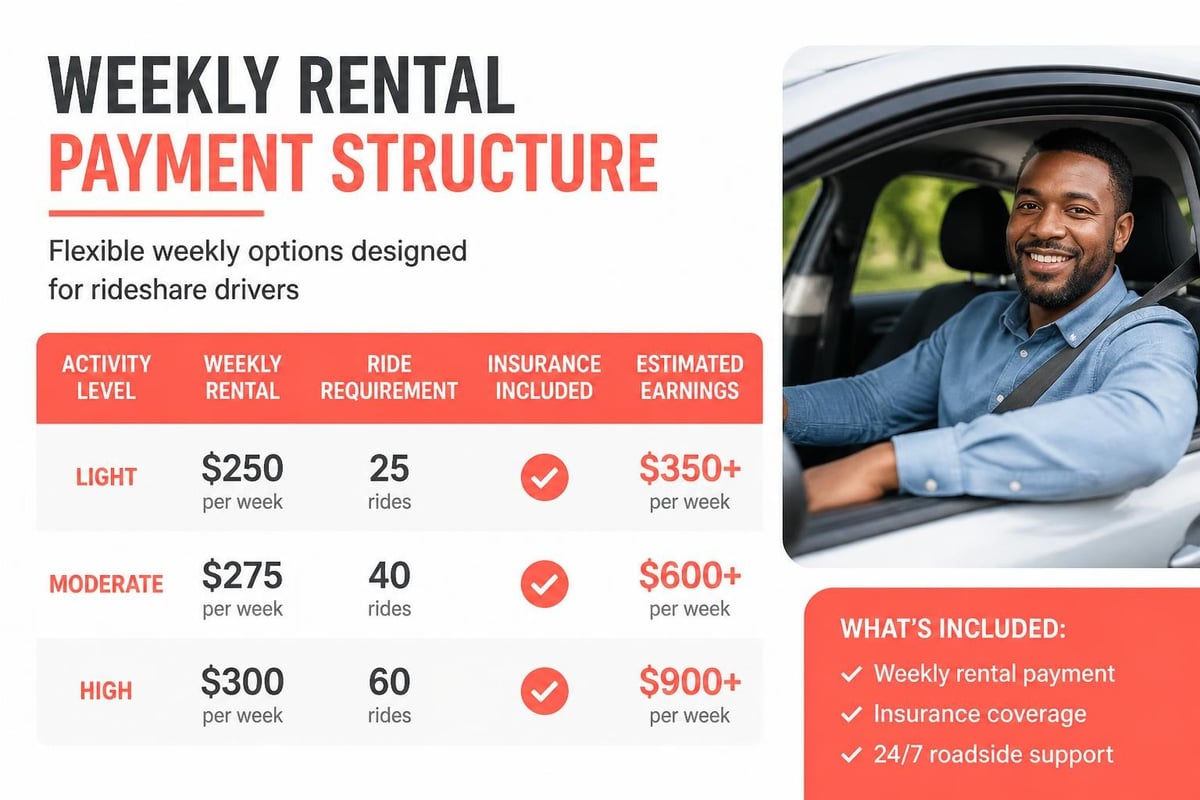
When evaluating lyft car rental economics, drivers must calculate whether rental costs make financial sense given their expected earnings. The platform implements a rental credit system where drivers can reduce weekly fees by completing a certain number of rides. This performance-based discount model encourages consistent platform engagement.
| Ride Tier | Weekly Rides | Rental Discount | Net Weekly Cost |
|---|---|---|---|
| Standard | 0-39 rides | $0 | $250-300 |
| Bronze | 40-69 rides | $50-75 | $175-225 |
| Silver | 70-99 rides | $100-125 | $125-150 |
| Gold | 100+ rides | $150-200 | $50-100 |
The financial model assumes drivers work substantial hours to offset rental expenses. For someone considering lyft car rental purely for personal transportation, the economics rarely align favorably compared to traditional rental services.
Research on driver positioning and incentive mechanisms in ridesharing platforms reveals how companies structure programs to maximize driver engagement while maintaining profitability. These findings highlight the fundamental difference between rideshare rental programs and consumer-focused car rentals.
Beyond the base rental rate, lyft car rental participants face additional expenses that impact total cost of operation. Fuel costs remain the driver's responsibility, and given that rideshare work involves constant driving, gas expenses accumulate quickly. Vehicle return policies require clean interiors and full fuel tanks, adding time and money to the weekly routine.
Additional financial considerations include:
These factors create a cost structure optimized for full-time rideshare drivers rather than travelers seeking temporary vehicle access for exploration and sightseeing.
Lyft car rental availability concentrates in major metropolitan areas where rideshare demand justifies the infrastructure. Cities like Los Angeles, San Francisco, Boston, and Chicago maintain robust Express Drive programs. However, the program operates in limited markets, and many destinations popular with travelers lack access entirely.
Island destinations represent a particularly notable gap in lyft car rental coverage. Caribbean islands, Pacific island chains, and other geographically isolated locations fall outside Lyft's operational footprint. Travelers planning trips to these areas need alternative transportation solutions that better match the destination's characteristics and their vacation needs.
Transportation needs on island destinations differ fundamentally from urban rideshare markets. Visitors want the freedom to explore remote beaches, scenic overlooks, and hidden local spots on their own schedule. The point-to-point model of rideshare services conflicts with the exploratory nature of island travel.
For a destination like Curaçao, vehicle characteristics matter as much as availability. Rocky coastal roads, unpaved beach access routes, and varied terrain require vehicles designed for diverse conditions. This reality explains why specialized local rental services offering rugged vehicles gain popularity among island travelers.

Travelers evaluating transportation options benefit from understanding how lyft car rental compares to traditional vacation rentals. The comparison reveals distinct use cases where each model excels.
| Feature | Lyft Car Rental | Traditional Vacation Rental |
|---|---|---|
| Primary Purpose | Rideshare driving income | Personal travel and exploration |
| Rental Period | Weekly basis | Hourly, daily, or weekly |
| Usage Restrictions | Rideshare activities only | Full personal use freedom |
| Geographic Coverage | Major metro areas only | Wide including remote destinations |
| Vehicle Types | Standard sedans primarily | Diverse including specialty vehicles |
| Insurance Focus | Commercial rideshare coverage | Personal liability and collision |
The table illustrates why lyft car rental serves a narrow niche rather than general traveler needs. Vacation rentals provide flexibility, vehicle variety, and usage freedom that align with travel objectives.
One limitation of lyft car rental programs involves restricted vehicle choice. Participants typically receive whatever vehicle the rental partner assigns, with limited ability to request specific makes or models. This standardization serves the rideshare business model but eliminates the personalization travelers often desire.
Traditional car rental services, particularly boutique local operators, offer distinctive vehicle experiences that enhance trip memories. Character-filled vehicles create photo opportunities and conversation starters that standard sedans cannot match. When exploring destinations known for natural beauty and adventure, vehicle choice contributes to the overall experience quality.
Studies on technological advancements in rideshare matching demonstrate how platforms optimize for efficiency and consistency. While beneficial for ride-hailing operations, this optimization philosophy reduces the experiential variety that makes vacation transportation memorable.
Travelers increasingly seek authentic, personalized experiences that differentiate their trips from generic tourism. Transportation choices play a surprising role in satisfaction levels. Renting a distinctive vehicle transforms mundane drives between destinations into enjoyable journey segments.
For beach destinations, open-air vehicles provide sensory engagement with the environment. Wind, sun, and unobstructed views create connection to surroundings that enclosed sedan cabins prevent. This experiential difference explains why Jeeps, convertibles, and other specialty vehicles command premium rates yet maintain strong demand.
Island Vibes Rental understands this principle, offering Suzuki Samurai rentals that deliver authentic island exploration. Each distinctive jeep provides character and capability perfectly suited for Curaçao's diverse terrain, from paved coastal highways to rocky beach access paths. At $40 per day, these adventure-ready vehicles offer both affordability and memorable experiences that standard rentals cannot replicate.

Video content documenting Lyft rental program experiences reveals the realities drivers face when participating. These firsthand accounts highlight both opportunities and challenges that potential participants should understand before committing.
Common themes from driver testimonials include:
Additional perspectives on important program considerations emphasize understanding the full commitment before starting. The lyft car rental model works well for specific circumstances but proves suboptimal for others.
The lyft car rental program serves legitimate needs for particular demographics. New gig economy participants testing rideshare viability without vehicle ownership commitment benefit from the low-barrier entry. People with personal vehicles unsuitable for rideshare work gain access to qualifying transportation.
However, travelers seeking temporary vehicle access for vacation purposes find minimal value in programs designed for work rather than leisure. The weekly commitment, usage restrictions, and urban market concentration create misalignment with typical travel needs.
Recognizing that lyft car rental addresses specific driver needs rather than general travel requirements, visitors to destinations outside program coverage areas benefit from exploring alternatives. Local rental companies often provide superior value, service, and vehicle selection for tourism purposes.
Advantages of local rental partnerships include:
These benefits prove particularly valuable on islands where transportation shapes the entire vacation experience. The difference between navigating Curaçao in a standard sedan versus a capable off-road vehicle directly impacts which beaches, viewpoints, and local spots you can access. When planning beach exploration by jeep, vehicle capability determines your itinerary possibilities.
Whether considering lyft car rental for driving income or evaluating vacation transportation options, informed decision-making requires understanding program specifics, costs, and alternatives. The key lies in matching rental type to actual usage needs rather than assuming one solution fits all scenarios.
For rideshare drivers, calculating the break-even point matters. How many rides weekly justify rental costs? Does your market offer sufficient demand? What alternative income opportunities exist? These questions deserve thorough analysis before committing.
Travelers face different questions centered on experience quality and logistical fit. Does the destination support rideshare availability? What vehicle type enhances rather than merely facilitates your planned activities? How does rental cost compare across providers? Understanding what you need to know when renting in specific destinations prevents costly mistakes and disappointment.
Systematic evaluation ensures the rental choice serves your actual needs:
Answering these questions honestly reveals whether lyft car rental or traditional vacation rentals better serve your specific situation.
Extended island explorations require transportation planning that supports fluid itineraries and spontaneous discoveries. The lyft car rental model's weekly structure might seem aligned with week-long vacations, but usage restrictions and vehicle types create limitations for actual travel purposes.
Multi-day road trip planning benefits from vehicle choice freedom and usage flexibility. A three-day Curaçao itinerary demonstrates how vehicle capability enables comprehensive island coverage. Standard sedans struggle with certain beach approaches and scenic overlooks that require brief off-pavement navigation.
The best vacation rentals recognize that travelers need more than basic transportation. They need reliable partners who understand destination-specific requirements and provide vehicles that enhance rather than limit exploration possibilities. This customer-centric philosophy contrasts with the efficiency-focused approach of rideshare rental programs designed primarily for driver earnings.
Lyft car rental availability reflects market economics and operational feasibility. Dense urban areas with high rideshare demand justify the infrastructure investment required to maintain rental programs. Smaller markets and especially island destinations lack the rider volume necessary to support such operations.
This geographic reality means travelers heading to Caribbean islands, Pacific destinations, or other remote locations must rely exclusively on traditional rental services. Rather than viewing this as a limitation, recognize it as an opportunity to work with local businesses that specialize in serving travelers rather than supporting gig workers.
Local rental companies invest in understanding their specific market. They know which vehicles handle local road conditions best, which insurance coverage travelers actually need, and which destinations require special planning. This specialized knowledge creates value that standardized national programs cannot replicate.
The lyft car rental model serves an important purpose for rideshare drivers seeking vehicle access without ownership commitments, but travelers exploring island destinations need different solutions that prioritize experience, capability, and flexibility. When planning your Curaçao adventure, Island Vibes Rental provides the distinctive Suzuki Samurai jeeps and local expertise that transform ordinary transportation into memorable exploration, ensuring you can access every hidden beach and scenic viewpoint this beautiful island offers.